
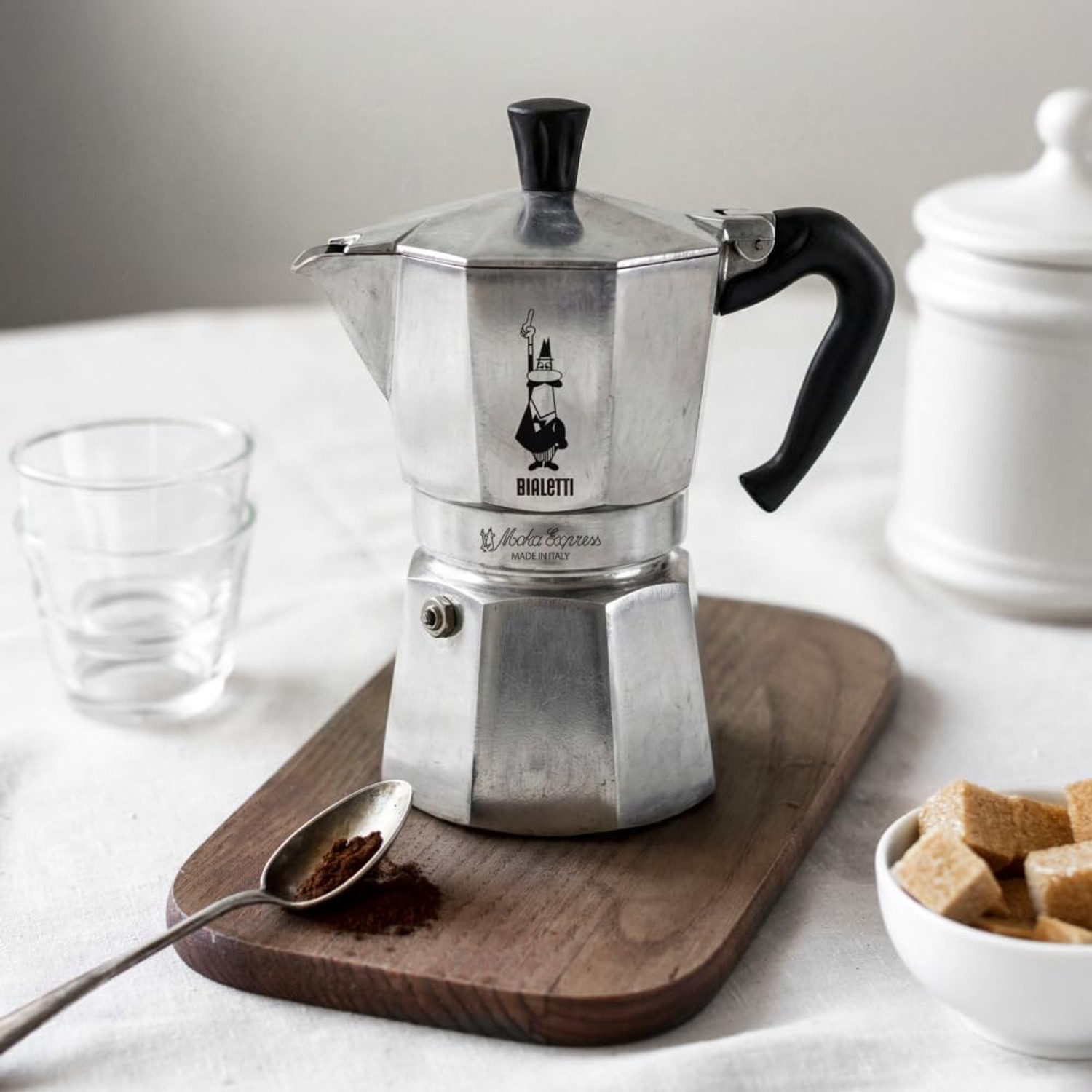
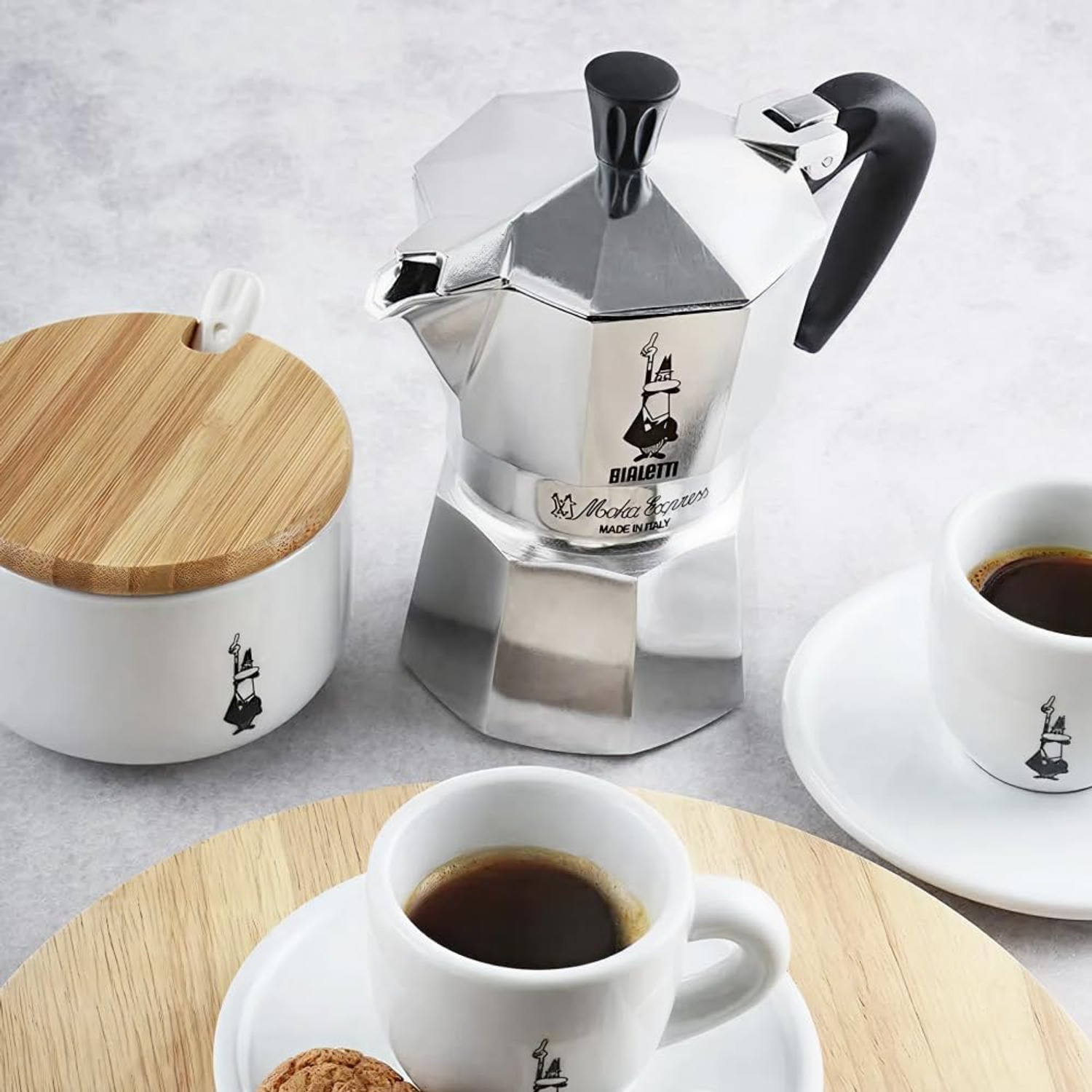
The complete guide
Choosing a 3 Cup Stovetop Coffee Maker
A full-size coffee setup can feel like too much when you only want a small drink. You may not need a large jug, a counter full of equipment or coffee pods. A small stovetop coffee maker offers a different routine, with ground coffee, water and heat doing the work.
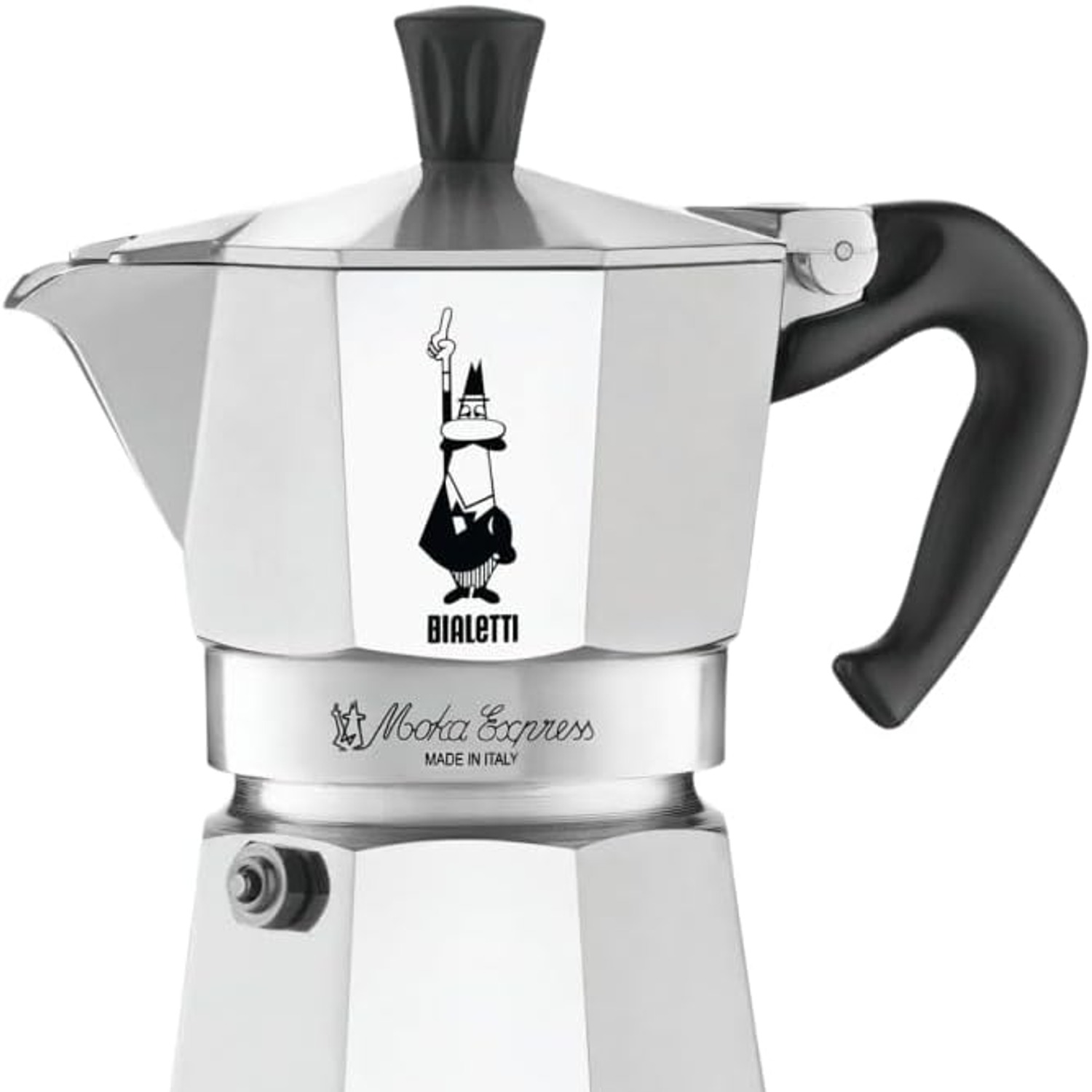
This 3 cup moka pot has a listed capacity of 130 ml. That number matters more than the cup label when deciding whether it suits you. Think small servings rather than several full mugs, and make sure hands-on brewing fits the way you like to start your day.
What a moka pot brings to your kitchen
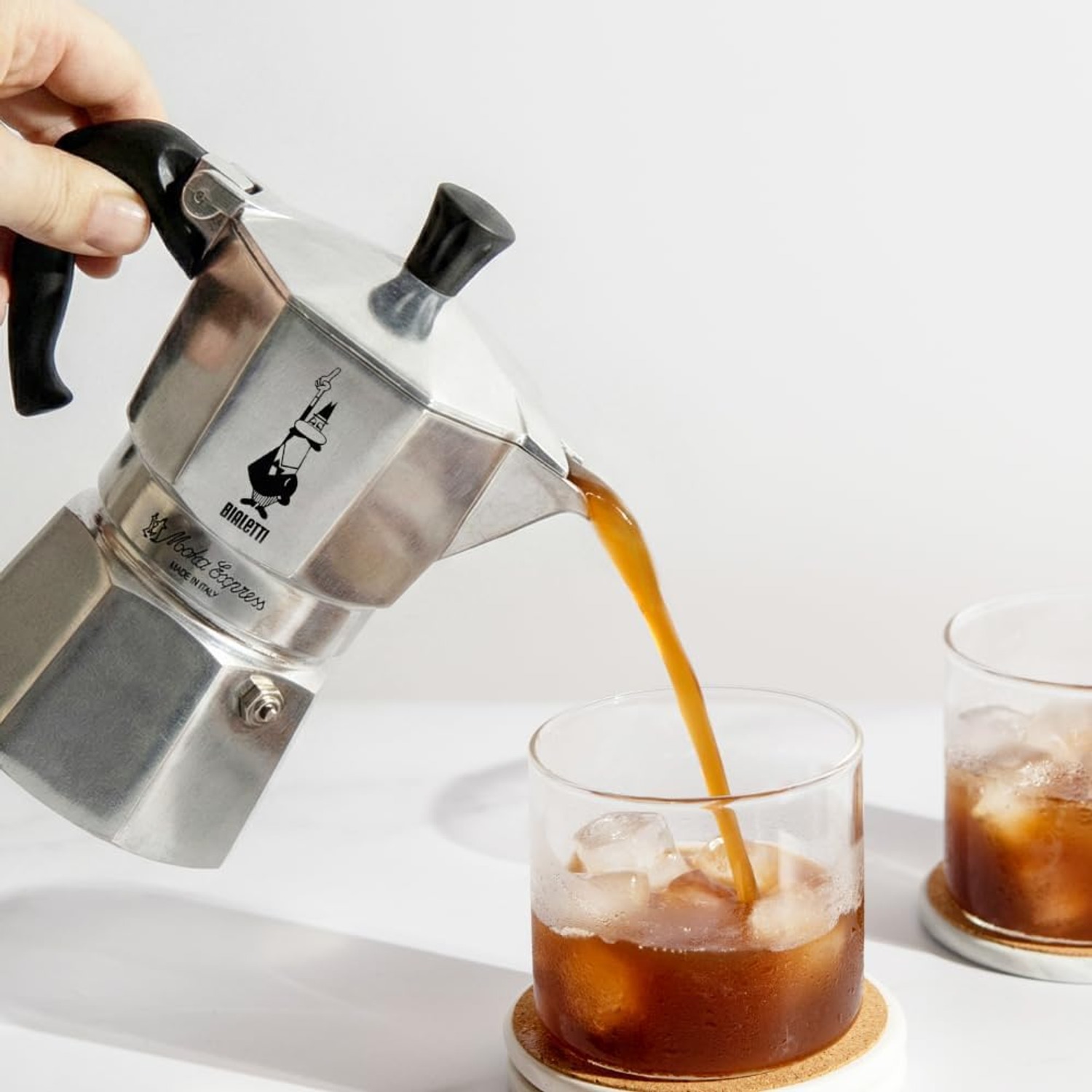
A moka pot is a manual brewer that uses stovetop heat. In this type of coffee maker, heated water moves through ground coffee and collects in an upper chamber. You manage the setup and watch the brew rather than relying on an automatic program.
That process can appeal if you enjoy making coffee as well as drinking it. There is a little preparation, followed by cleaning once the pot has cooled. It is worth thinking about both parts of the routine before buying.
The product is described as a stovetop espresso maker, but moka coffee is not the same as coffee from a pump espresso machine. If you want machine-style espresso, judge those methods separately. This is an espresso style coffee maker with its own brewing approach.
Understand the 3 cup size
Coffee-maker cup labels can be easy to misread. A 3 cup moka pot should not be treated as a promise of three breakfast mugs. Here, the concrete capacity figure supplied is 130 ml.
The maker does not say whether that figure describes the water chamber or finished coffee output. That means you should not plan an exact serving count from it. It is still a useful sign that this is a small-batch brewer.
Compare that figure with the drinks you actually make. If you like a short coffee, a small pot may suit your habits. If your usual drink fills a large mug, consider how much brewed coffee you need before adding milk or water.
Choosing the right size is more useful than buying by the cup label alone. A coffee maker for small servings makes sense when small servings are what you want, not when you hope it will behave like a larger brewer.
Check your stovetop first
The maker lists compatibility with gas and electric stovetops. Those are the confirmed heat-source categories in the product details.
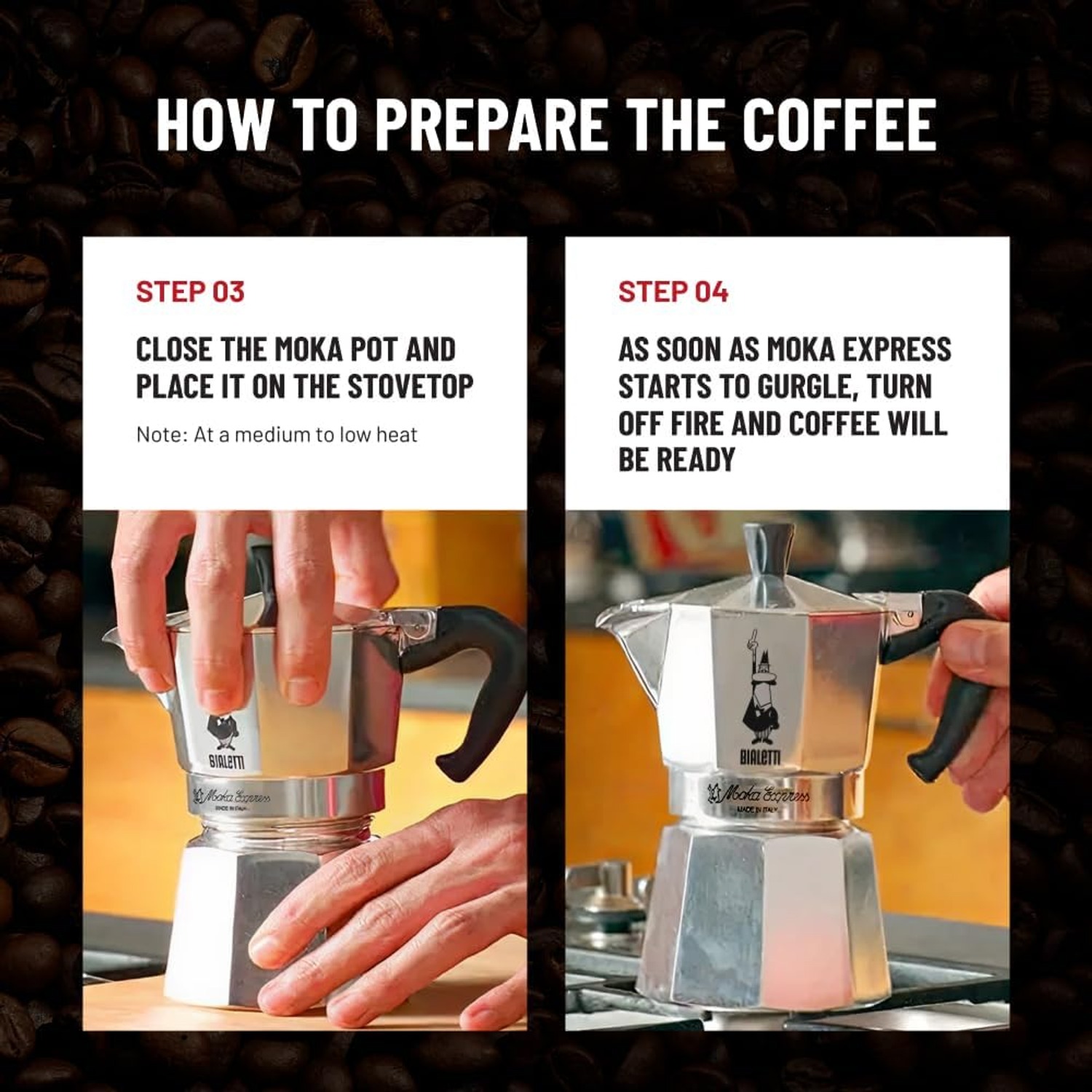
For a gas stovetop coffee maker, stable support matters. Before brewing, check that the base sits securely on your hob supports. Follow the supplied instructions for flame size and positioning, and do not leave the pot unattended while heating.
Electric stovetops also vary. Check the requirements of your cooking surface and the instructions supplied with the coffee maker. A broad compatibility label does not replace checking how a small pot sits on your own hob.
Induction needs a separate check. Do not read “electric” as proof of direct induction compatibility. If induction is your only cooking option, ask for confirmation of the exact setup needed before ordering.
Choose ground coffee for the brewing method
This ground coffee maker uses a reusable filter. Whole beans need grinding first, and pods or capsules are not listed as compatible.
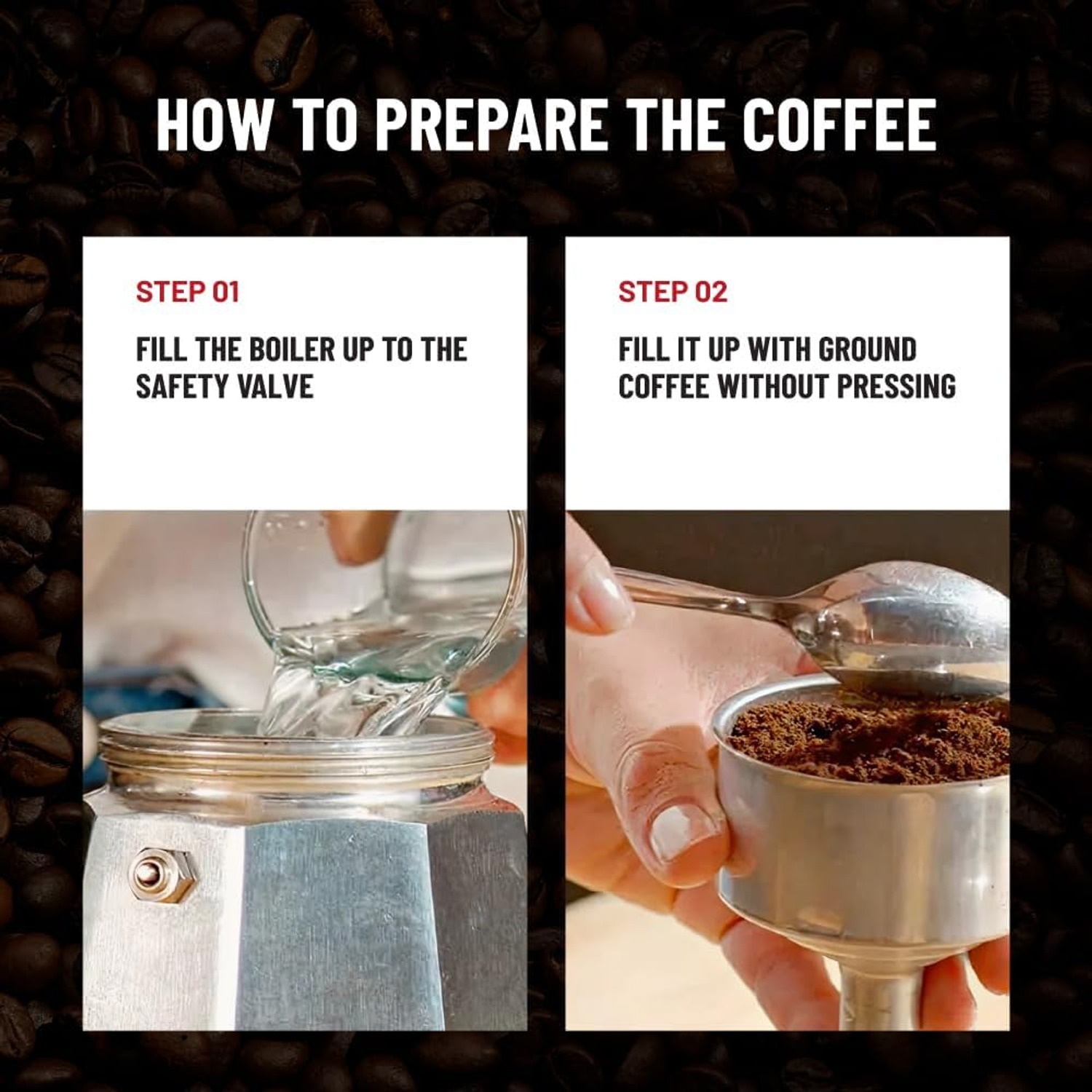
Coffee sold for moka brewing is a sensible starting point. Follow the supplied guidance on grind and filling, rather than assuming the instructions for another coffee brewer apply. Different methods place different demands on the coffee bed.
Avoid pressing the grounds tightly into the filter. The water needs a clear path through the coffee, and the filter needs to stay clean. If brewing seems blocked or unusual, stop heating and let the pot cool before checking it.
Changing coffee can change your experience of the drink. Start with one coffee you know, keep your preparation consistent, then adjust within the supplied guidance. That makes it easier to understand which changes you enjoy.
Who this small brewer may suit
A manual coffee maker can be a good match for someone who likes a hands-on kitchen task. You fill it, assemble it and stay nearby while it brews. It asks for more attention than pressing an automatic start button.
This size is worth considering for small coffee servings. It is less suited to the expectation of a large shared pot at breakfast, given the listed 130 ml capacity.
Think about cleanup as part of the choice. A reusable filter avoids a single-use paper filter, but the grounds still need removing. If you want a brew-and-walk-away routine with no parts to rinse, that difference matters.
There is no need to choose a moka pot because it looks like the right kind of coffee equipment. Choose it because the serving size, heat source and daily steps make sense for you.
Read the material details with care
The maker data is not fully consistent about construction. Its detailed specifications list stainless steel as the material and aluminum as the exterior finish. The separate material attribute is blank.
Those entries do not give enough detail to describe every part of the pot. They also do not establish which surfaces contact the water or coffee. If you are shopping for a particular metal, request clarification before buying.
The detailed color entries describe silver. Brand and country of origin are not specified in the main product record, so neither should guide your choice without further confirmation.
The same caution applies to dimensions. The maker lists 5 cm deep by 5 cm wide by 5 cm high, but these figures need checking. Do not use them as a firm basis for a tight cupboard space or burner fit.
Think through travel use
Travelling is a recommended use in the maker details, and the stated weight is 0.22 kg. That makes travel a reasonable use to consider, but it does not confirm every travel setting.
A travel coffee maker still needs somewhere safe to operate. Check that your destination has a suitable stovetop and that you can wash the parts afterward. Coffee grounds, water and a cup also need a place in your plans.
Do not assume compatibility with a camping stove or an open flame. Outdoor equipment has its own support and heating requirements, which are not confirmed by the maker.
Allow enough time for cooling before packing. A clean, dry pot is easier to put away than one holding damp grounds or water. This is especially worth remembering when leaving accommodation early.
Build a safe brewing habit
Read the instructions supplied with the actual pot before its first use. They should guide filling, assembly and heating. General moka advice is useful background, but it should not override the directions for the item in your hands.
Check that the filter and any pressure-release opening are clear. Assemble the pot as directed, keep it stable on the heat source and stay nearby during brewing.
Treat the pot as hot cookware. Keep children away from the cooking area and allow it to cool fully before opening it. Do not try to take apart a hot or pressurised brewer.
If the flow seems wrong, stop and let everything cool before investigating. More heat is not a substitute for checking an assembly problem or blocked filter.
Cleaning is part of the choice
This reusable filter coffee maker is not dishwasher safe. Plan to clean it by hand, using the method and cleaning products allowed by its supplied instructions.
Once it has cooled, remove the spent grounds and rinse the accessible parts. Pay attention to the filter, where trapped grounds can affect later use. Avoid improvised tools or harsh products unless the instructions allow them.
Dry the parts thoroughly before storage. Leaving moisture inside makes the next cleanup less pleasant and can hide grounds that were missed.
No replacement-part range is confirmed in the maker's description. If long-term access to seals or filters is important to you, ask about availability before purchase. A similar-looking part is not proof of a correct fit.
Buying for someone else
A compact moka pot may be a thoughtful gift for someone who enjoys preparing coffee. The useful questions are practical ones, such as how much they drink and what stovetop they use.
Someone who drinks several large mugs may prefer more capacity. An induction-only kitchen needs a compatibility check. A person who likes manual brewing may welcome the routine, while someone who values automation may not.
Check the current our information before planning a gift around a particular date. Read the returns policy too, especially where a gift may need exchanging.
The short version
Choose this 3 cup stovetop espresso maker if a small, manual brew fits your routine. Its listed features include 130 ml capacity, a reusable filter and gas and electric stovetop compatibility.
Confirm induction suitability, material details and dimensions if they matter to your purchase. Above all, match the capacity to your real drink size. That is the clearest way to decide whether this small moka pot belongs in your kitchen.