
The complete guide
A Practical Guide to Choosing a 53mm Espresso Tamper
Make the tamping step easier to repeat
It is frustrating when the same coffee tastes different from one shot to the next. You may have weighed the beans and kept the brew time close, yet the result still changes. Coffee preparation has several moving parts, and tamping is one of them.
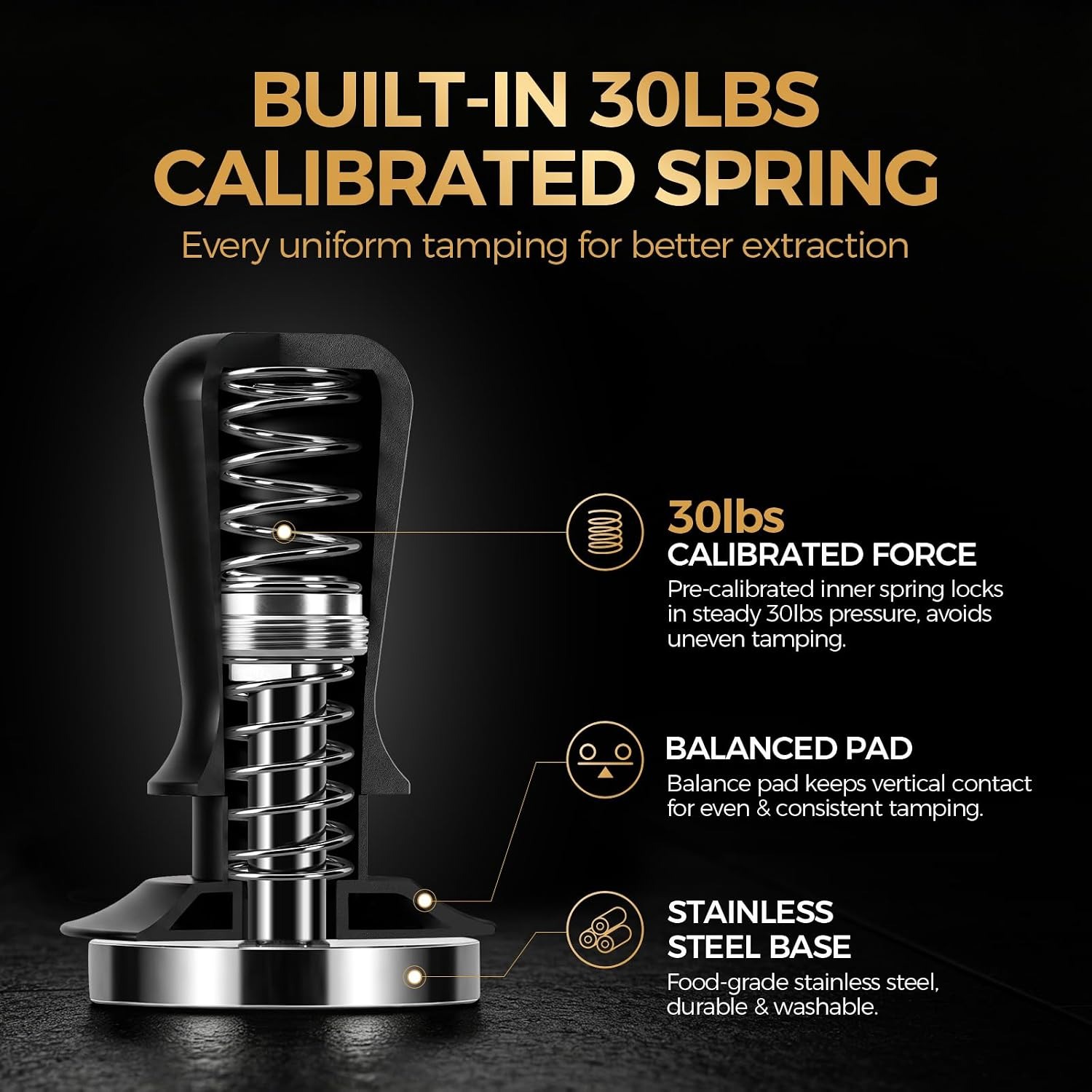
A calibrated coffee tamper gives that step a little more structure. Instead of judging every press only by how hard your hand feels it is working, you use a spring-loaded mechanism intended to make the action more repeatable.
This 53mm Calibrated Espresso Tamper is worth considering if you want that kind of routine and have a suitable basket. The key is to check fit first. A useful tamping tool needs to match the basket you actually use, not just the size printed beside your espresso machine's name.
What the spring mechanism does
Tamping compresses loose grounds into a coffee puck. During brewing, water passes through that puck. A level, evenly prepared bed gives you a better starting point for making controlled changes to your recipe.
A spring loaded espresso tamper adds resistance to the pressing action. This model is described as calibrated, with the maker's description tamping force as over 30 lb. The maker does not provide a calibration tolerance, a force test report or pressure adjustment instructions.
That means it is sensible to treat the mechanism as a guide to repeatable technique, not a promise of an exact measured result in every situation. Follow the instructions that come with the product. Do not assume you need to press harder or push beyond its intended travel.
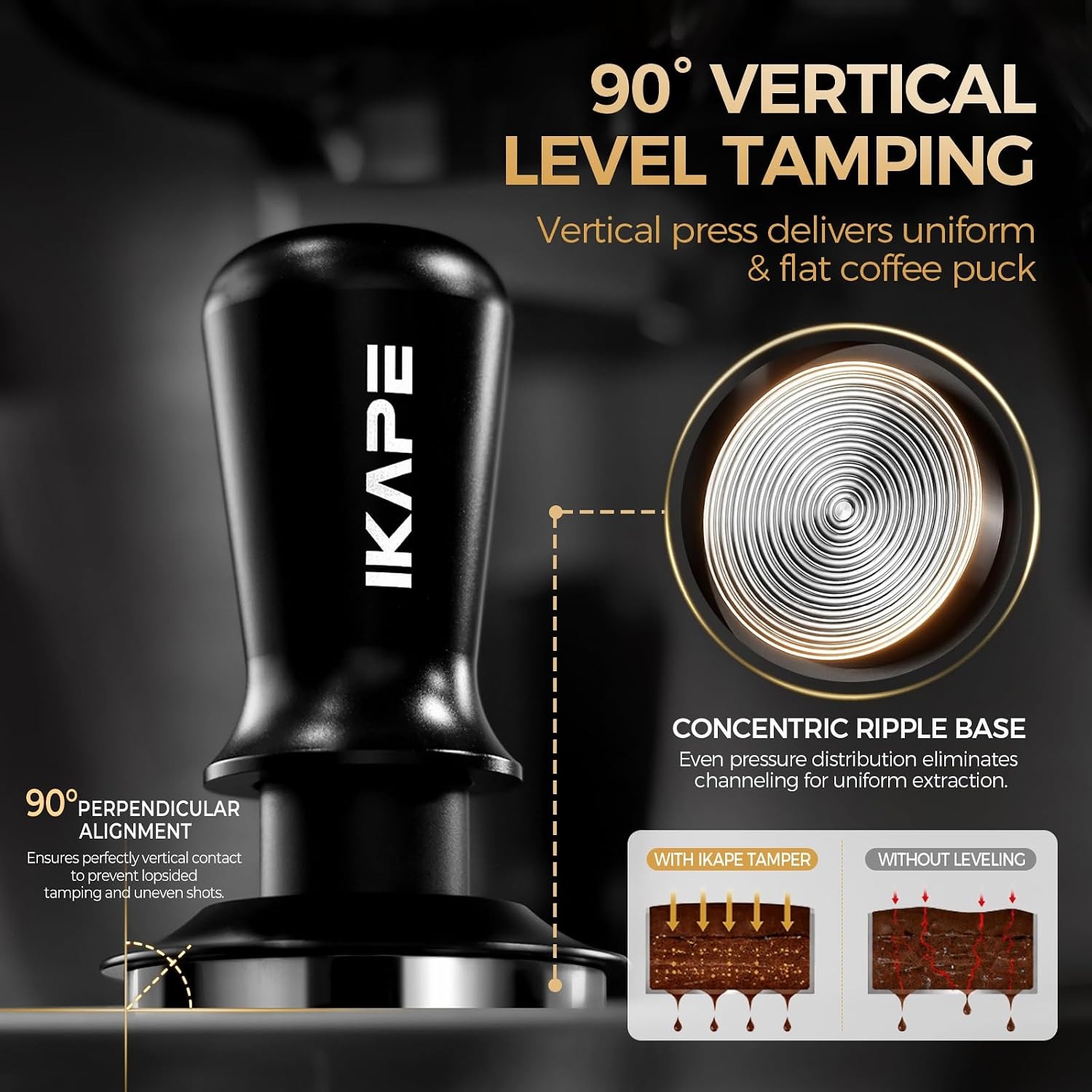
The spring also does not remove the need to hold the tool level. A consistent press at an angle can still leave an uneven puck.
Start with the basket, not the machine
Coffee tamper sizing can be confusing because a portafilter's advertised size does not tell you everything about its basket. The inside shape, taper and usable diameter also matter.
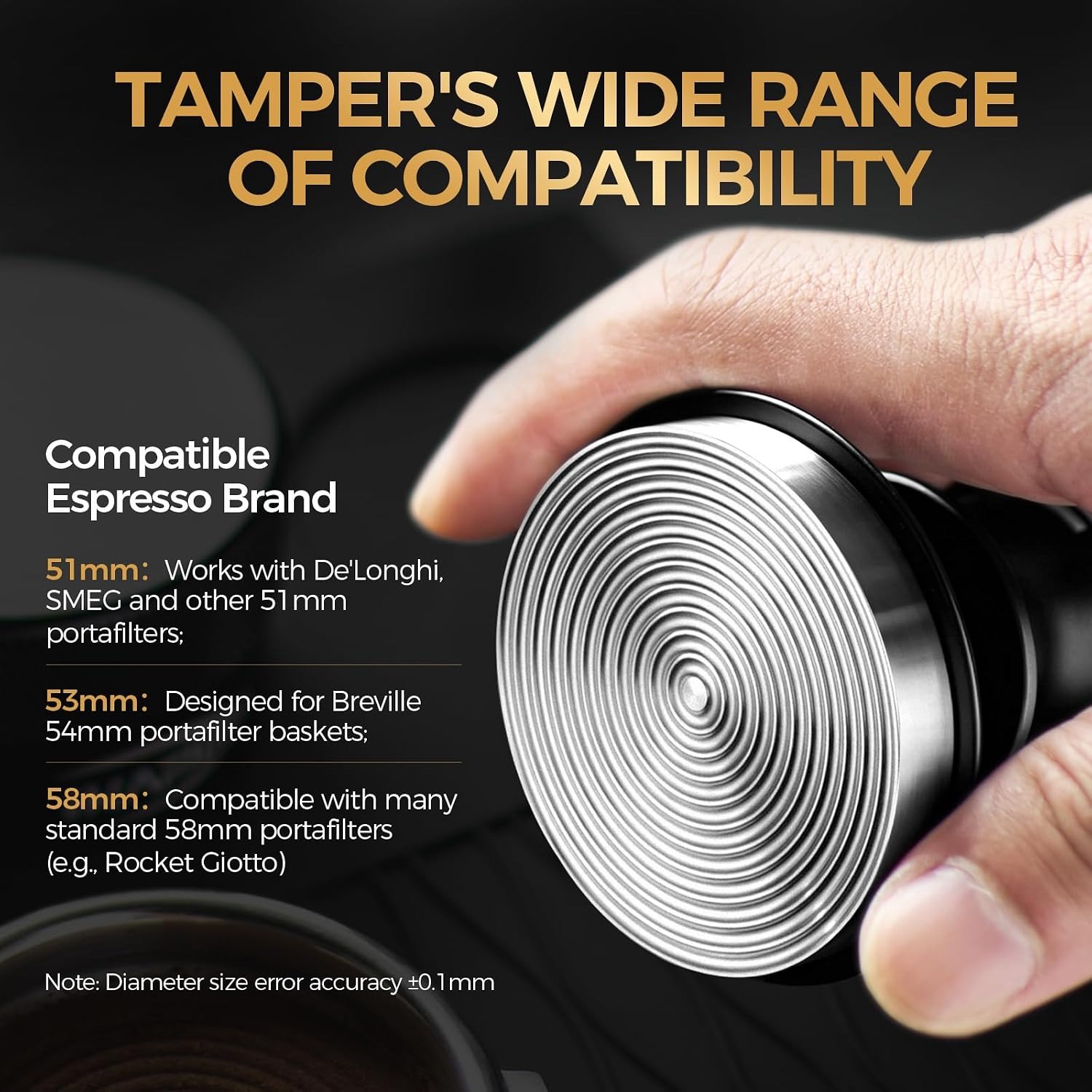
This product has a listed tamping size of 53mm. The maker suggests it for some 53mm and 54mm portafilters, but makes one clear exception. It does not fit the 54mm Sage The Basket.
That exception deserves attention. Do not read “54mm” in a machine description and assume this tool will work. Check your basket's model and look for its recommended tamper diameter. If you have changed the original basket, use the replacement basket's information.
Measurements can help, but a ruler across the top opening may not show how the basket narrows farther down. Where possible, use the basket maker's size guidance or ask for confirmation before buying.
A good fit should not require force against the basket walls. If the tamper catches or feels wrong, stop and check compatibility.
Understand the listed construction
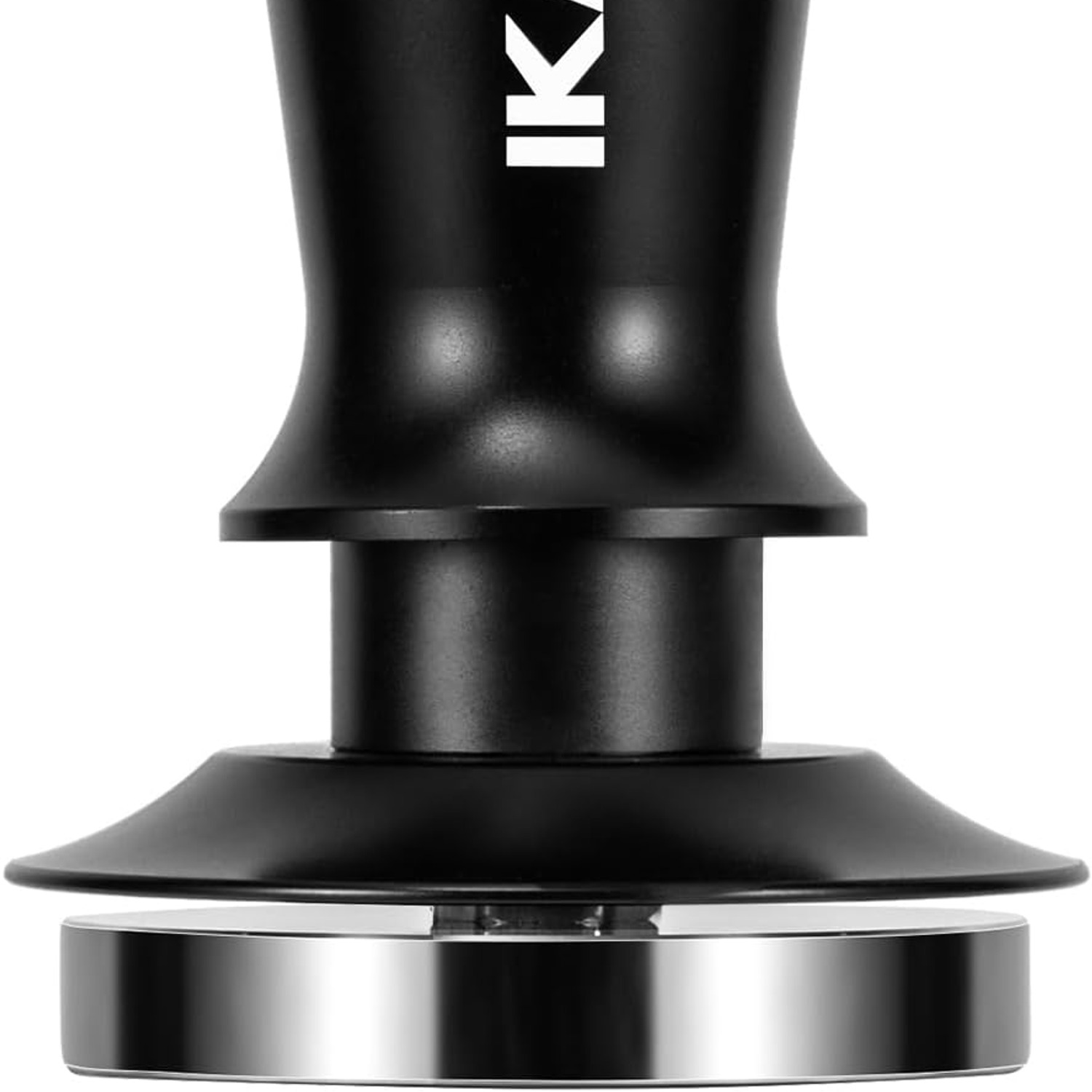
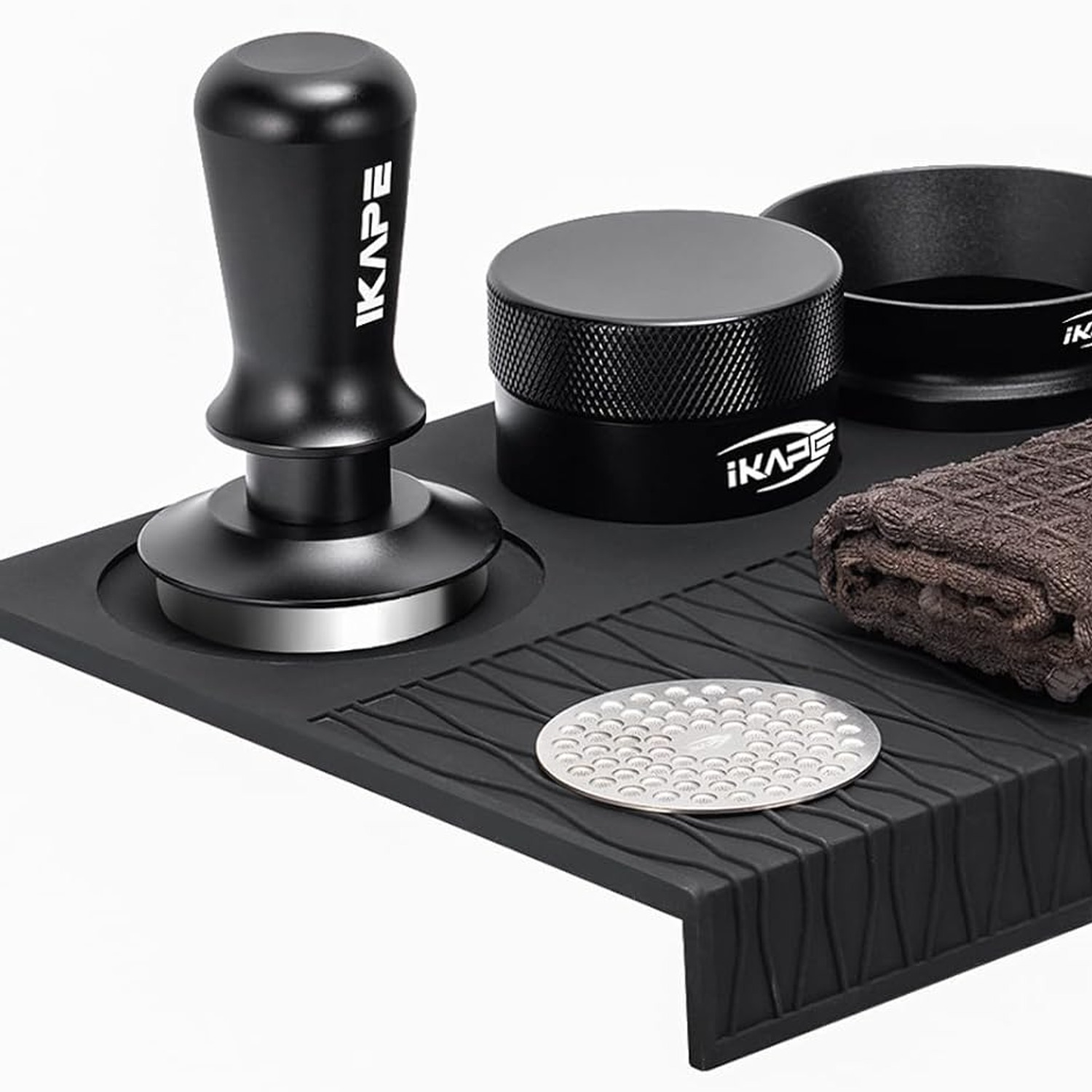
The maker's specification table lists 18/8 stainless steel and a black color. The product weighs 390 g, with overall dimensions of 8 x 8 x 12 cm.
Those overall measurements are separate from the 53mm tamping size. Keep that distinction in mind when comparing tools. The larger dimensions help you plan storage space, while the tamping diameter is the measurement that matters for basket fit.
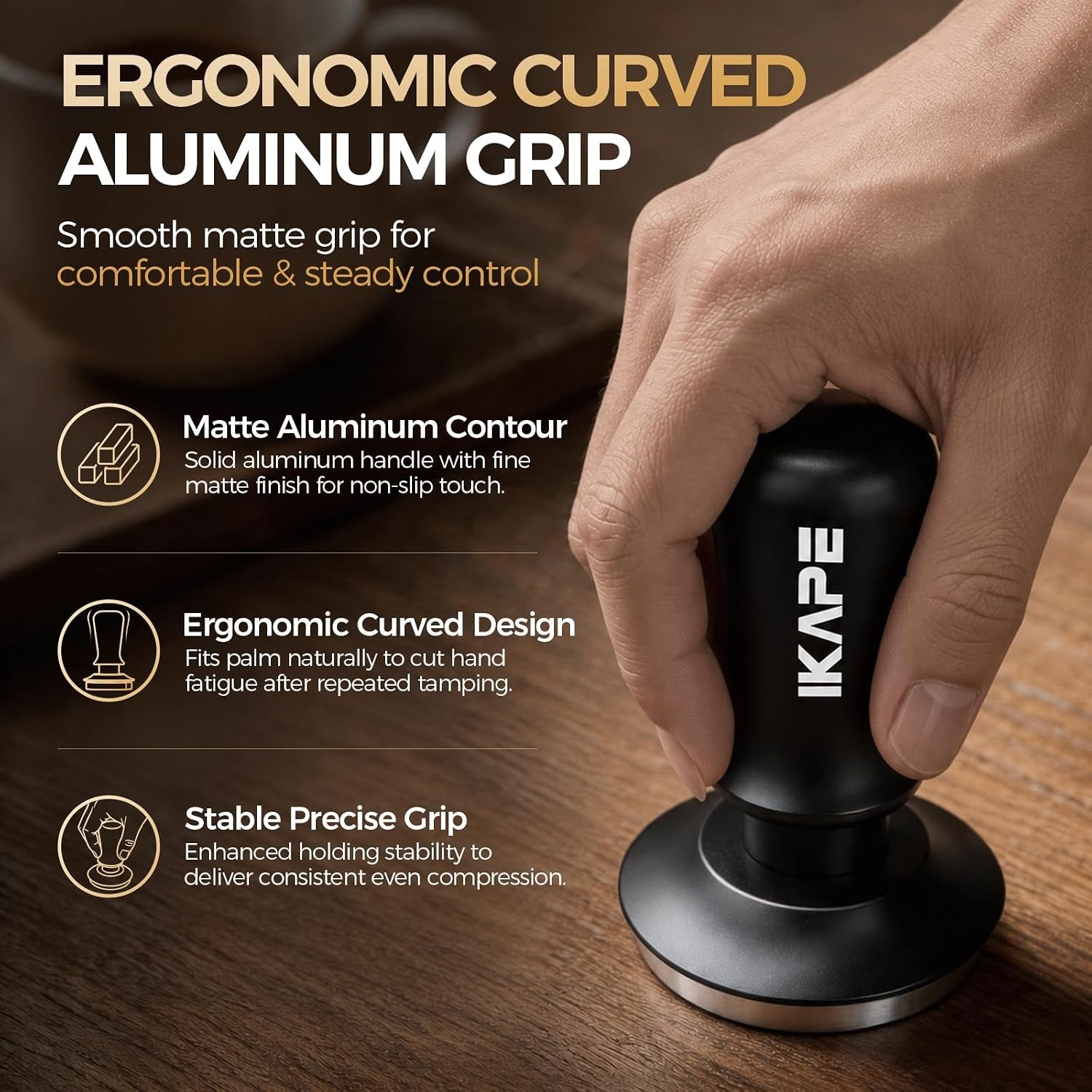
The weight gives you another useful comparison point when shopping for a stainless steel coffee tamper. It does not, by itself, tell you how comfortable the handle will feel. Grip shape, your hand size and your working height all affect that.
The maker does not break down the material of every part. It also does not specify a country of origin. There is no need to fill those gaps with assumptions when the confirmed measurements already give you a clear starting point.
What the concentric rings mean
This concentric ring tamper is described as leaving a circular pattern on the tamped coffee surface. That is a feature of its contact surface, rather than proof of a particular extraction result.
It can be tempting to judge puck preparation by appearance alone. A neat surface looks reassuring, but the coffee underneath still needs an even distribution. A ring pattern cannot tell you whether a hidden clump or a thin patch remains in the basket.
Use the surface as one part of your preparation check. Look at whether the puck appears level and whether the dose suits the basket. Then judge the brewed coffee by taste and by how closely it follows your intended recipe.
No surface pattern removes the need to adjust grind size when the coffee or brewing conditions change.
Who this tool may suit
This espresso tamping tool may appeal to a home user who wants fewer changes in hand pressure from shot to shot. It gives you a defined tool and mechanism around which to build a steady routine.
It can also make sense when more than one person uses the same espresso setup. A shared preparation method is easier to discuss than instructions such as “press fairly hard.” Everyone still needs to use the tool correctly and keep it level.
A beginner may appreciate having one step made more structured. An experienced user may simply prefer the feel of a spring-assisted press.
It is less suitable if you have not yet confirmed your basket size. It is also the wrong choice for the specifically excluded Sage basket. Choose compatibility before adding another accessory to the coffee station.
Build a simple preparation routine
Begin with a clean, dry basket and a dose suited to it. Weighing the coffee helps you keep track of changes, especially while learning a new grinder or bean.
Distribute the grounds before tamping. The aim is to avoid obvious mounds, empty areas and clumps. A coffee basket tamper compresses what is already there; it should not be expected to spread an uneven pile perfectly.
Support the portafilter on a stable surface that will not damage the counter or handle. Position the tamper level, then apply a controlled press according to the supplied instructions. Lift it out carefully rather than dragging it against the basket wall.
Keep the next shot as similar as possible. If you change the dose, grind setting and tamping method all at once, it becomes harder to tell which change helped.
Keep expectations tied to the whole recipe
Consistent espresso tamping is useful, but pressure is only one part of making coffee. Beans change as they age. Grinder settings affect flow, and the amount of coffee in the basket affects how the puck behaves.
If the shot runs differently after changing tampers, resist the urge to solve everything with more pressure. Check the basics first. Confirm that the dose is steady, the grounds are evenly spread and the basket is appropriate for the tool.
Then make one change at a time. Keep a brief note if that helps you remember what you tried.
The best espresso preparation tools are the ones that fit your equipment and help you repeat a method you understand. They do not need to promise perfect coffee from every press to be useful.
Clean gently and store it dry
Coffee dust can collect on a tamping face and around moving parts. Brushing away loose grounds after use is an easy habit that keeps the next preparation step tidier.
For routine cleaning, use a soft, lightly damp cloth and dry the tool before putting it away. Avoid abrasive cleaners that could mark the surface. Do not soak the spring mechanism unless the supplied care instructions specifically permit it.
Dishwasher suitability is not stated by the maker. Stainless steel in the construction does not mean every component is suitable for a hot wash cycle.
Store the tamper somewhere clean and dry, with the contact face protected from knocks. Follow any more specific instructions included with the product, particularly those covering the spring assembly.
Check the practical details before ordering
Among manual espresso accessories, a tamper is a personal purchase because fit matters so much. Before ordering, confirm the recommended diameter for your exact basket and read the stated compatibility warning.
If you are buying it as a gift, ask about the recipient's basket rather than guessing from their machine brand. That small question can prevent a tool from arriving that they cannot use.
Check our delivery and returns pages estimate for your location, along with its return conditions. The maker mentions one-year after-sales service, but that is not a substitute for clear warranty terms.
If support matters to your decision, ask what is covered before placing the order. Keep your order details so you can refer to them if a fit or product question comes up.
The short version
This 53mm spring-loaded tamper offers a more structured way to approach the pressing step. Its listed details include 18/8 stainless steel, a 390 g weight and a concentric ring tamping surface.
Start with basket compatibility, especially the exclusion for the 54mm Sage The Basket. Then pair the tool with evenly distributed grounds, a level press and gentle cleaning. It is one practical part of a repeatable coffee routine, not a replacement for the rest of it.