
The complete guide
Choosing a Six-Cup Stovetop Coffee Maker
A hands-on answer to your daily coffee routine
Choosing a coffee maker can become more complicated than choosing the coffee itself. You may want something for ground coffee without committing to a large automatic machine. You may also enjoy making the drink, rather than pressing a button and walking away.
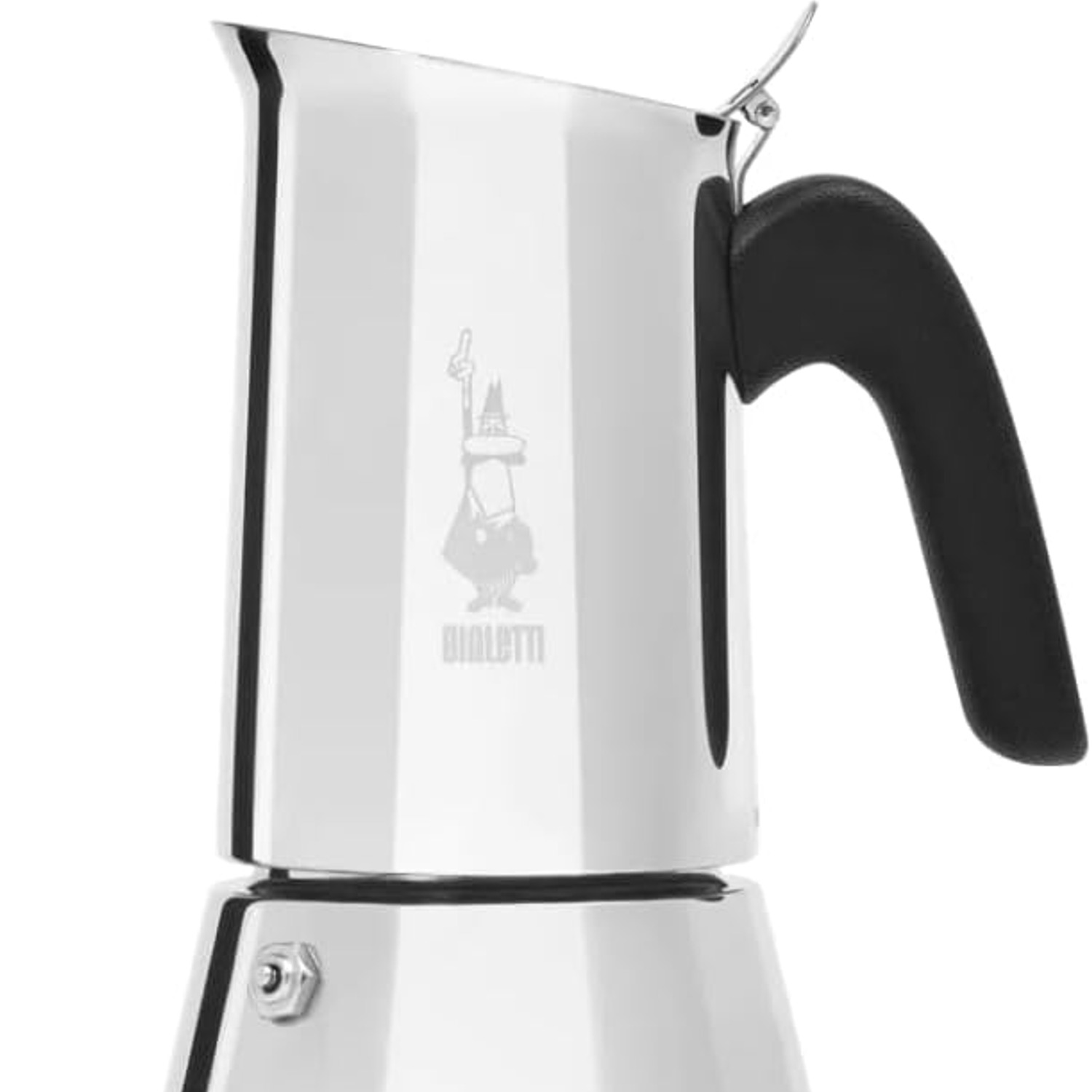
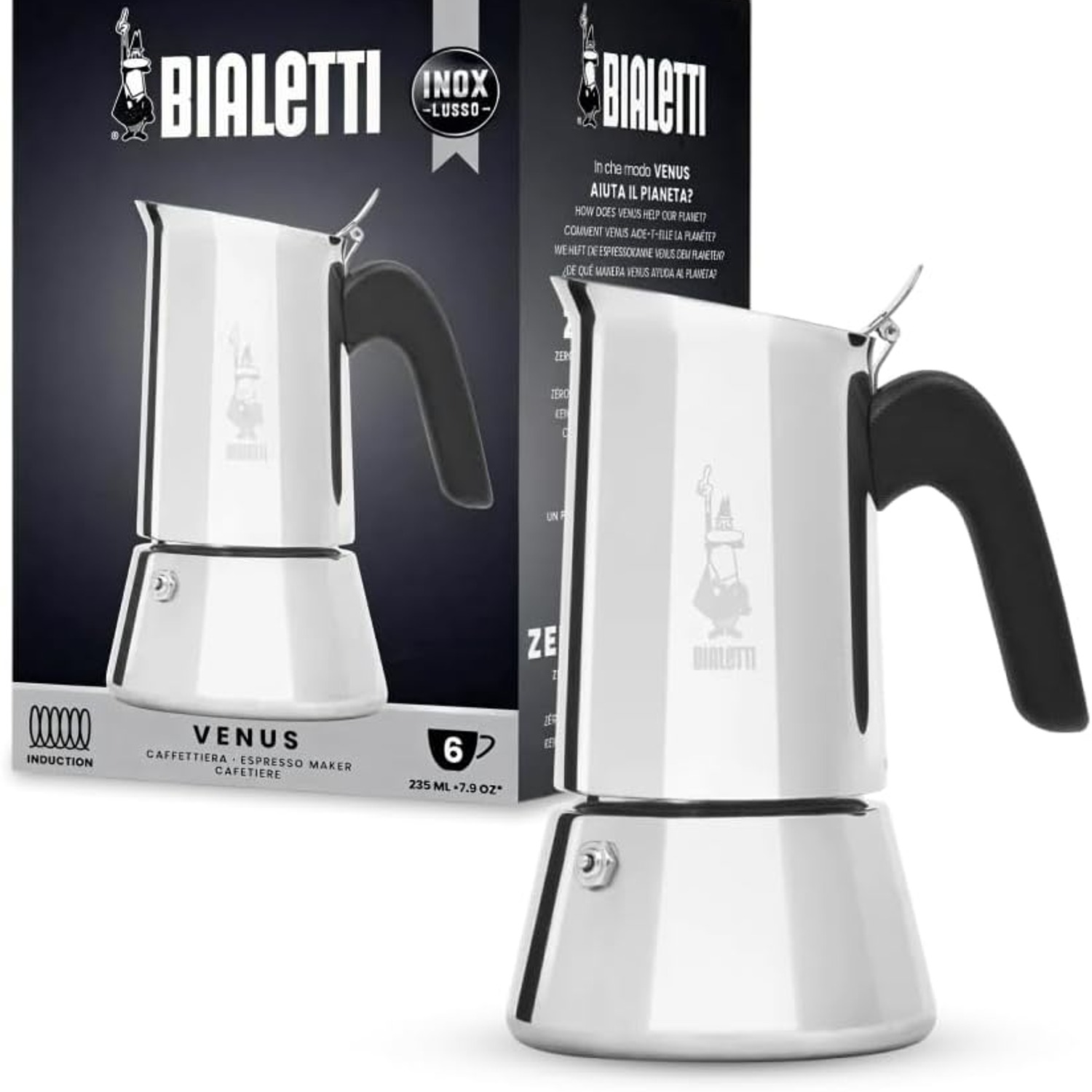
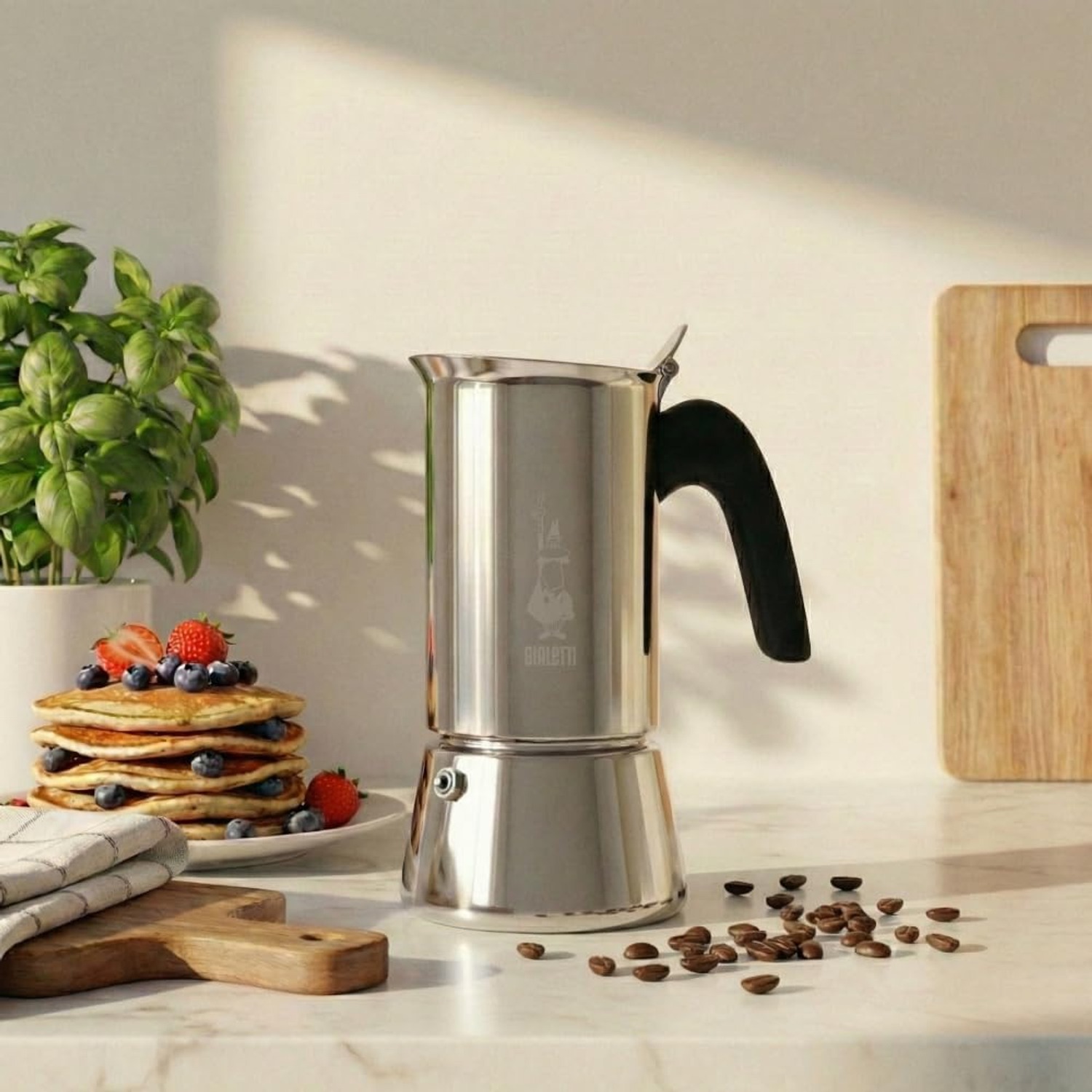
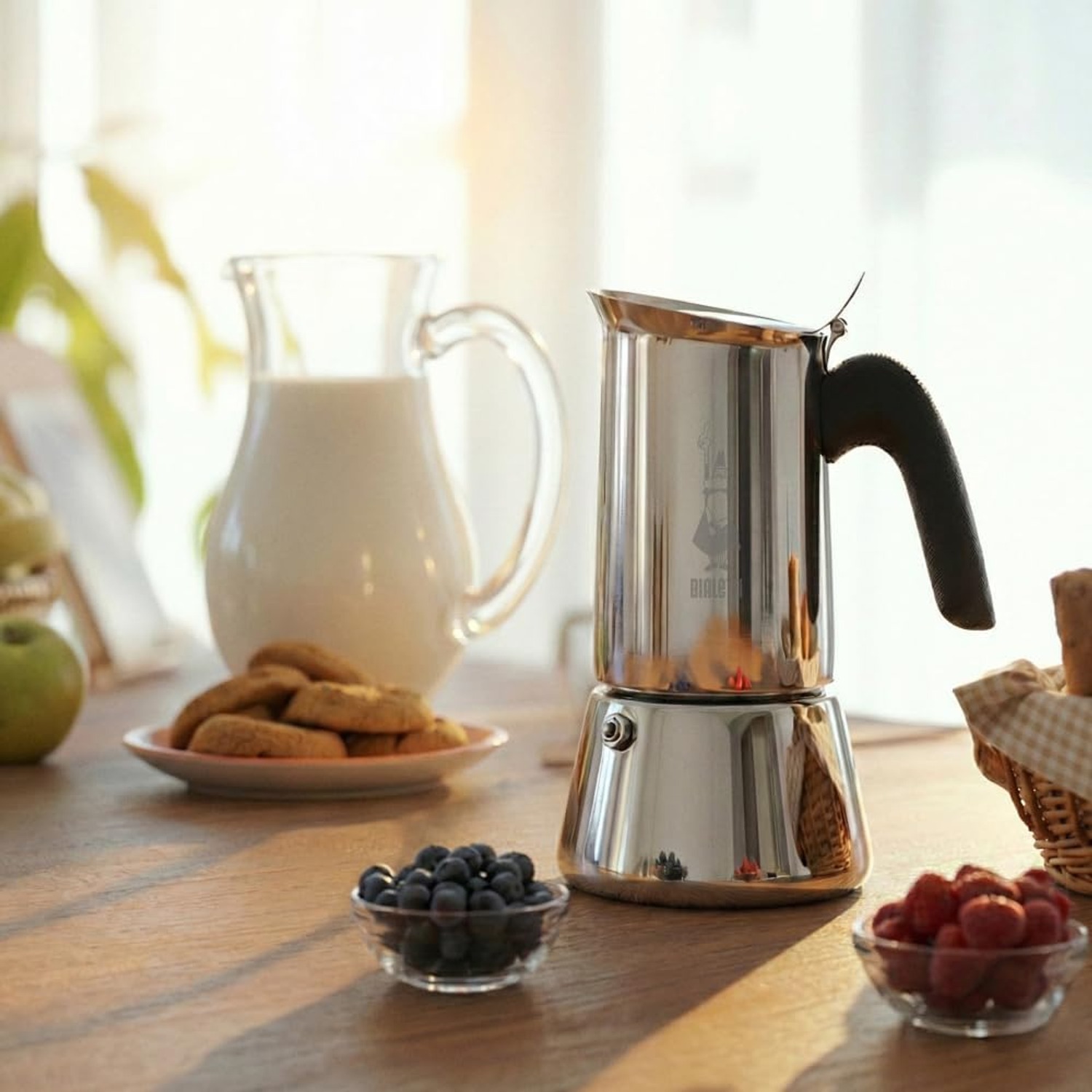
This Stainless Stovetop Espresso Maker 6 Cup is a manual moka pot. The maker lists a reusable filter and compatibility with gas and induction hobs. Those details make it worth considering if stovetop brewing fits your kitchen and the way you like to prepare coffee.
The key is to buy for your real routine. Serving size, hob fit and cleaning matter more than the word “espresso” in a product name. There are also some mixed entries in the maker's description, so a few details deserve checking before you order.
What a moka pot does
A typical moka pot uses heat to move water through ground coffee and collect the brewed drink in an upper chamber. It is a hands-on method. You prepare the pot, apply heat and pay attention as the coffee brews.
That is different from using a pump espresso machine. Although “stovetop espresso coffee maker” is a common name, it does not mean the two methods produce identical results. If you want the exact brewing method of a café espresso machine, a moka pot is a different choice.
For someone who enjoys traditional stovetop coffee, that difference can be the reason to choose it. You work with ground coffee and a reusable filter, with no capsule system listed. The routine is part of the appeal, but it does ask for your attention.
Understand the six-cup size
The product is described as a six-cup coffee maker, with a listed capacity of 7.9 fluid ounces. Read those details together. The six-cup name should not be taken to mean six large breakfast mugs.
Before buying, think about what you actually pour. Do you drink a small serving of coffee, or do you fill a large mug? Are you brewing for yourself or sharing? Comparing the stated capacity with your usual drink gives you a clearer starting point than the cup count alone.
The maker does not state a separate finished-drink yield. It also does not explain how much the batch can be reduced. If you regularly want a much smaller amount, ask for the model's filling guidance before deciding this is the right size.
Avoid assuming that half the water and half the coffee will work as intended. Use the supplied instructions for the correct batch setup.
Check your hob before anything else
Gas and induction compatibility are both listed in the detailed maker specifications. That is useful, but an induction moka pot still needs to suit the requirements of the particular hob.
Some induction hobs have minimum pan-base requirements. The base diameter is not confirmed by the maker, so check your hob manual and ask for that measurement if needed. A general induction claim does not answer every question about fit.
For gas use, follow the instructions for positioning and heating. Keep the flame under the intended heating area, away from handles or other parts that should not receive direct flame.
The reference description also mentions electric and ceramic surfaces. Those are not named in the detailed compatibility entries. If you use either type, get confirmation rather than relying on a broad claim about all hobs.
Read the material and size details carefully
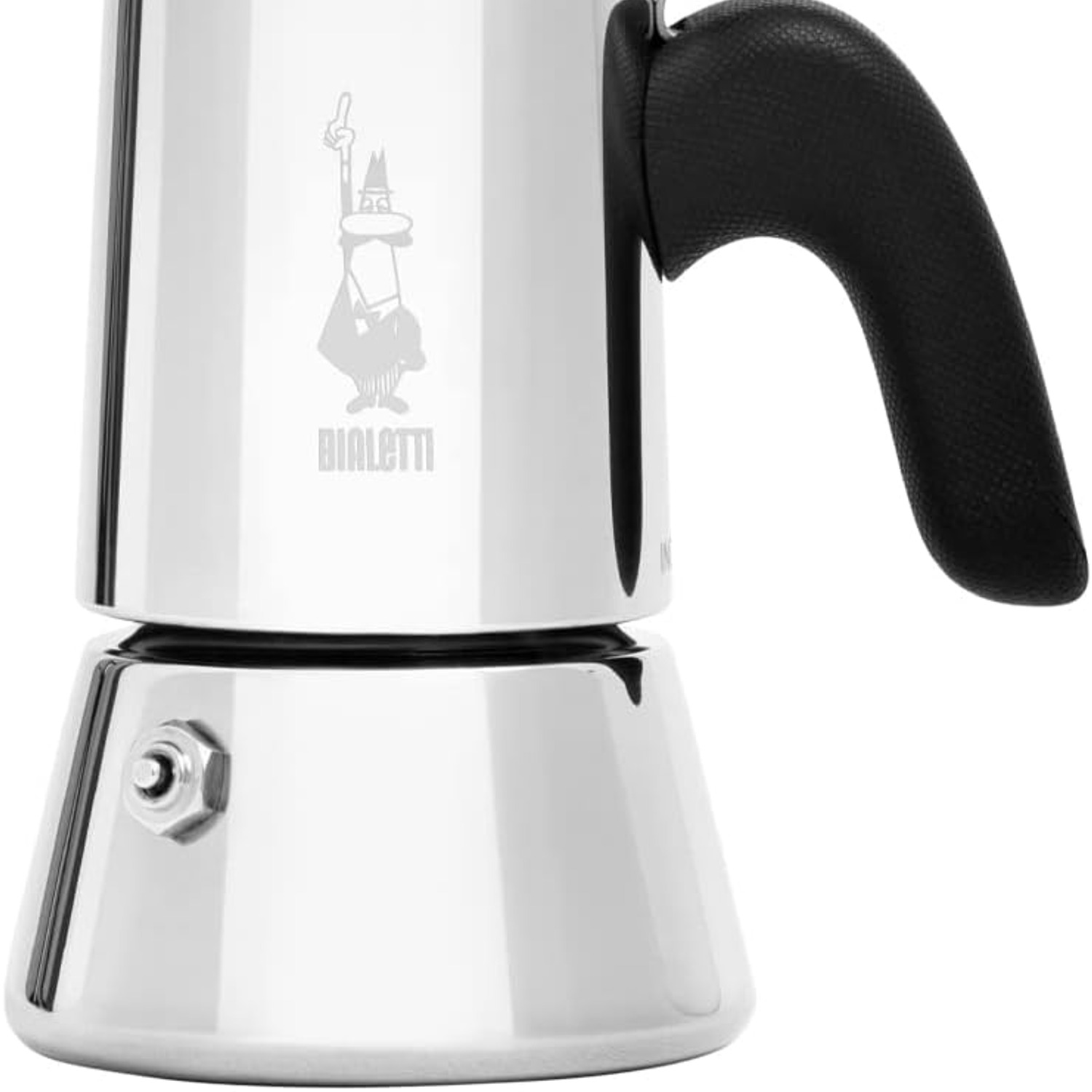
The maker specifications list stainless steel, silver coloring and a metallic exterior finish. This gives you a useful picture of the product, without needing to assume a particular steel grade or surface treatment.
The listed weight is 540 g. Think about lifting, pouring and storage as well as appearance. If easy handling is important to you, weight is worth considering alongside the shape shown in the product images.
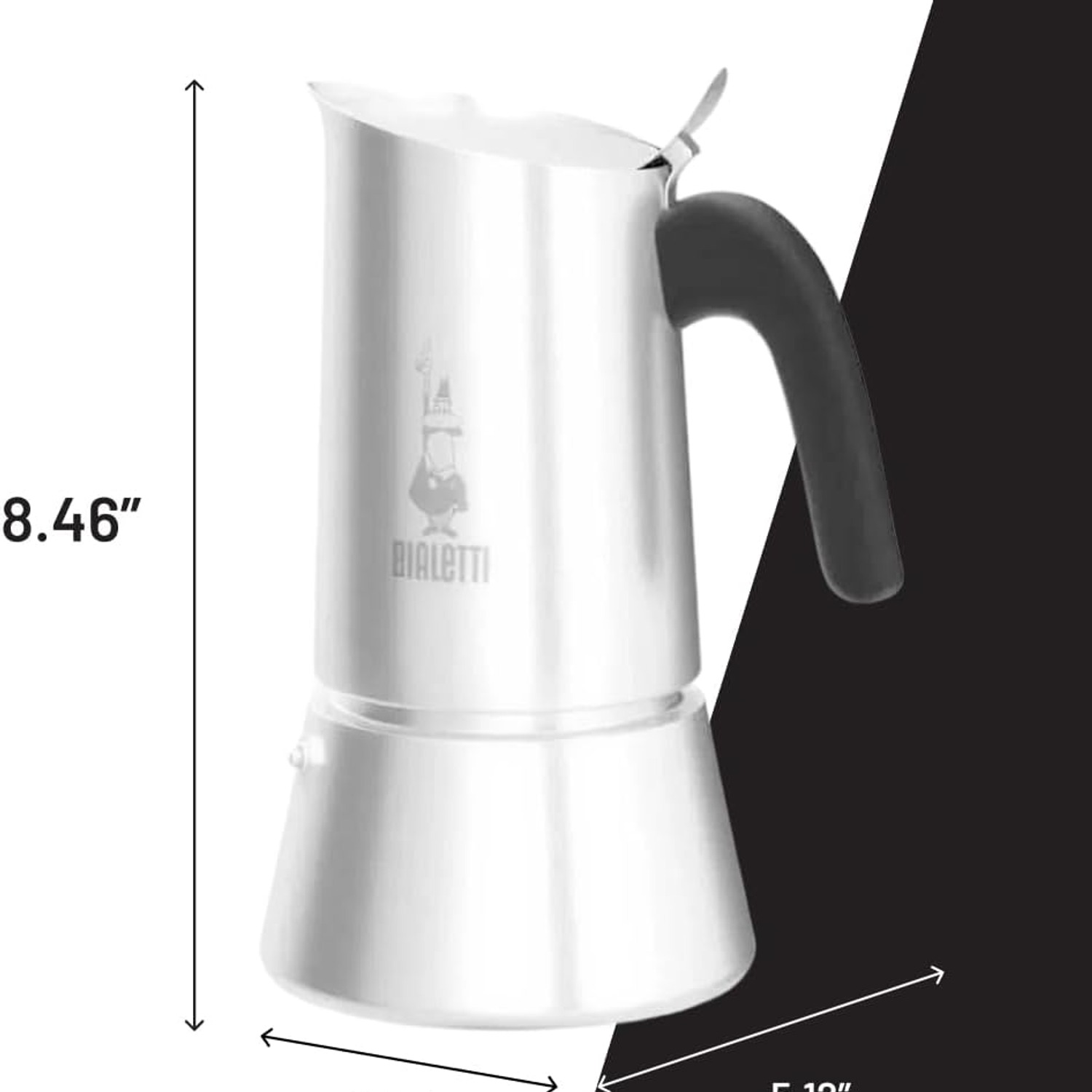
Dimensions need more care. A maker entry gives 4.3 D x 5.1 W x 8.5 H centimeters, but these measurements need confirmation. Do not use them as the sole basis for deciding whether the pot will fit a shelf or a particular cooking zone.
For a small kitchen coffee maker, a confirmed footprint can be more useful than a general claim that it is compact. Ask for overall measurements and base diameter if space is tight.
Who this brewing style suits
A manual coffee brewer makes sense for someone who likes being involved in preparation. If you already buy ground coffee and enjoy a repeatable kitchen routine, moka brewing may feel like a natural fit.
It may be less suitable if you want a large batch left ready for several people, or if you prefer fully automatic brewing. The maker does not list a timer, automatic program or confirmed keep-warm function.
Think about cleaning too. This model is not dishwasher safe. If putting every coffee part into a dishwasher is important to you, the hand-washing requirement is a real point to weigh up.
The best coffee maker for your home is the one whose daily steps you are happy to repeat. A method that looks appealing but feels inconvenient each morning is unlikely to be a good match.
Ground coffee and the reusable filter
Ground coffee is the listed input, and the filter is reusable. That lets you choose coffee without buying a capsule system. A built-in grinder is not listed, so plan for ground coffee or a separate grinder.
Follow the supplied guidance on grind and filling. Do not assume that settings used for another brewing method are right for this pot. Packing and water levels should also follow the model's instructions.
When learning a brewing routine, change one thing at a time. Keeping notes on the coffee you use can help you work out what you prefer without changing several parts of the process at once.
The reusable filter still needs regular cleaning. Leaving coffee residue in place is not a shortcut to better flavour, and blocked passages should never be ignored.
Check the mixed maker entries
Some details in the maker's description do not line up neatly with a manual stovetop product. The maker includes 230 watts, 220 volts, AC power and buttons. Those entries should not be treated as proof of built-in electrical functions.
There are also references to a cup warmer and milk frother. The included-components list confirms only one six-cup coffee pot. It does not identify a separate frothing tool or warming accessory.
If you are choosing this product because you expect either feature, pause and ask for confirmation. It is better to settle that question before ordering than to build a coffee setup around an accessory that may not be included.
For the same reason, do not put milk into the pot on the strength of a maker keyword. Use it only in the ways allowed by the instructions supplied with the product.
Make care part of the decision
Allow the coffee pot to cool fully before opening or washing it. A hot, pressurised pot should never be forced apart. Follow the supplied instructions for safe handling after brewing.
Hand wash as directed, remove coffee residue and dry the accessible parts before putting the pot away. The maker explicitly lists this model as unsuitable for a dishwasher, so plan for that extra step.
Keep the filter and valve clear, and inspect seals before use. If a part looks damaged or the pot behaves unexpectedly, stop using it and seek advice. Replacement-part availability is not stated by the maker.
Avoid guessing at cleaning chemicals or maintenance methods. The supplied care guidance should decide what is suitable for this model, especially around seals and surfaces.
Travel, gifting and ordering
Travelling is a recommended use in the maker details. Still, a travel coffee pot needs a suitable heat source and a stable place to brew. The maker does not establish compatibility with every camping stove or outdoor setup.
As a gift, it may suit someone who already enjoys moka coffee. Check their hob and usual serving size first. Those practical details matter more than whether they generally like coffee.
Delivery timing and warranty terms are not specified by the maker. Check the current our information before ordering, especially if you need it by a particular date.
Read the return policy too, including any conditions that apply once coffee equipment has been used. Keep the packaging until you have checked the contents and confirmed that the product is suitable.
The short version
This six-cup moka pot offers manual ground-coffee brewing with a reusable filter. The maker lists stainless steel, a silver finish, gas and induction compatibility, and a weight of 540 g.
Choose it for the brewing method, not for unconfirmed extras. Check the 7.9-fluid-ounce capacity against your serving needs, confirm hob fit and dimensions, and be comfortable with hand washing. Those checks will help you decide whether it belongs in your daily coffee routine.