
The complete guide
Choosing a Charcoal Espresso Machine with Built-In Grinder
A home coffee routine can become awkward when the grinder, brewing equipment and milk tools all need separate space. On the other hand, a fully automatic machine may give you less involvement than you want. If you enjoy adjusting your coffee, a semi-automatic setup sits between those approaches.
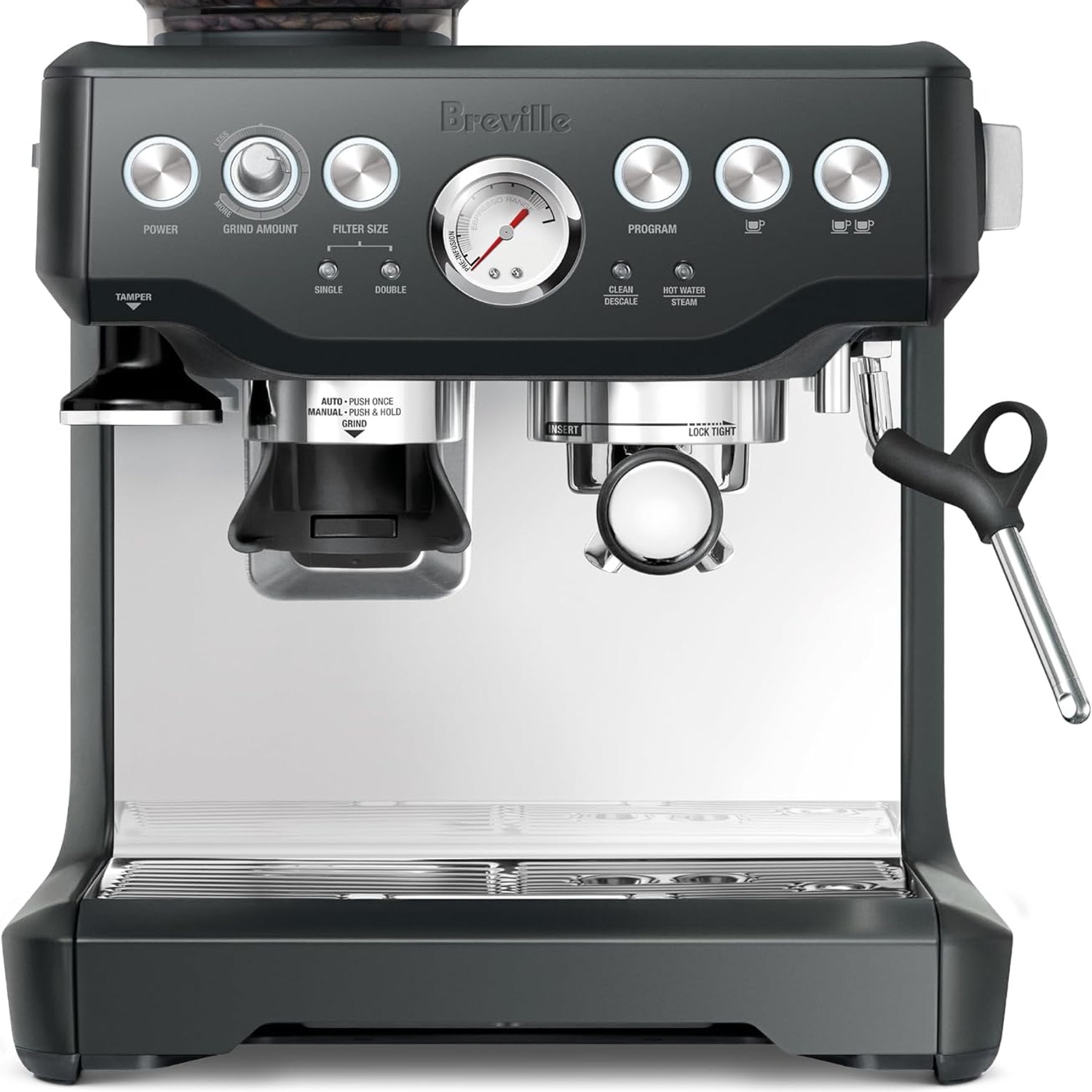
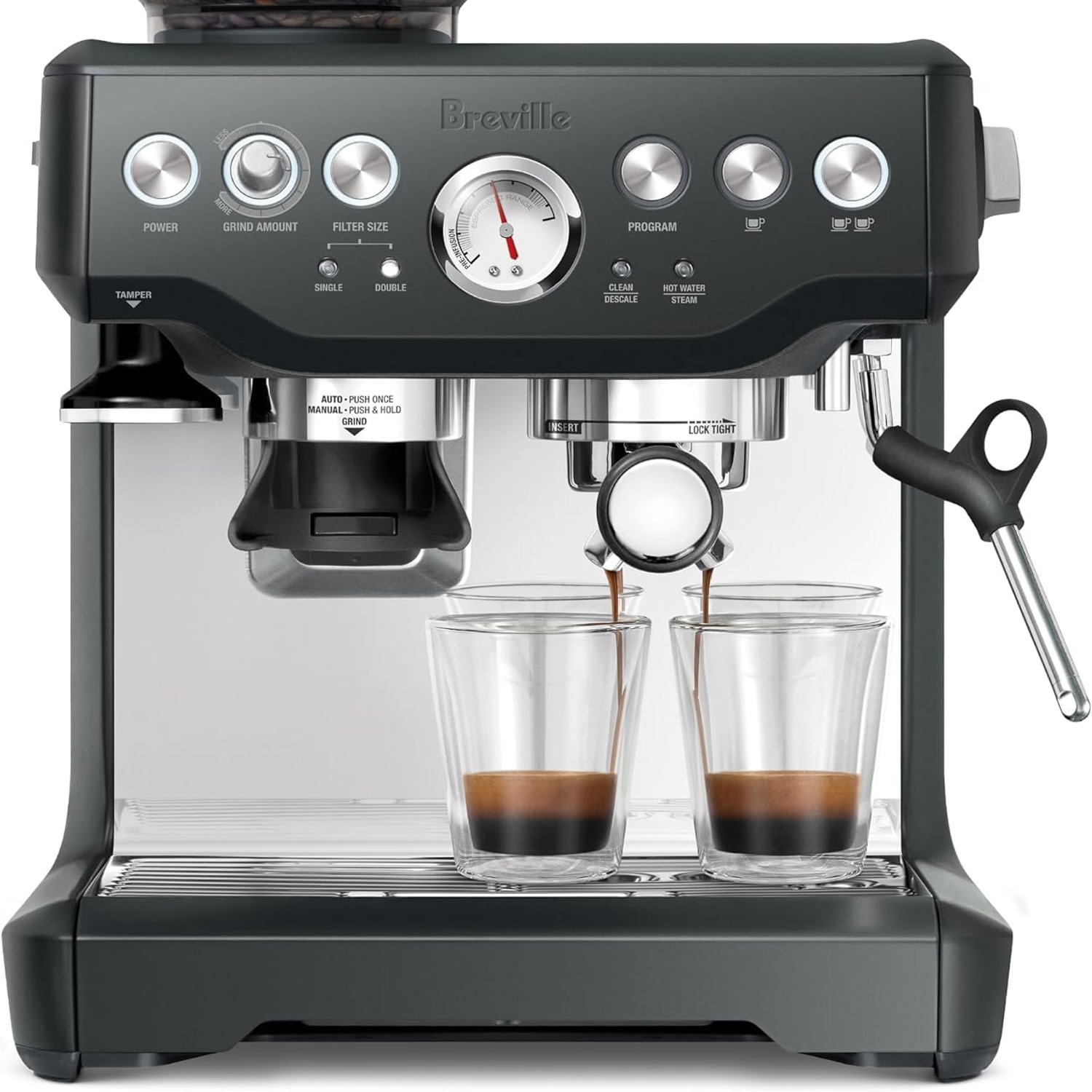
This charcoal espresso machine brings whole-bean grinding and espresso brewing into one appliance. It also has a steam wand for milk you texture yourself. The appeal is control, but that control comes with some learning and regular cleaning.
Before choosing it, think about more than the drinks you hope to make. Consider the room on your bench, the time you want to spend preparing coffee and whether you enjoy making small adjustments.
What a built-in grinder changes
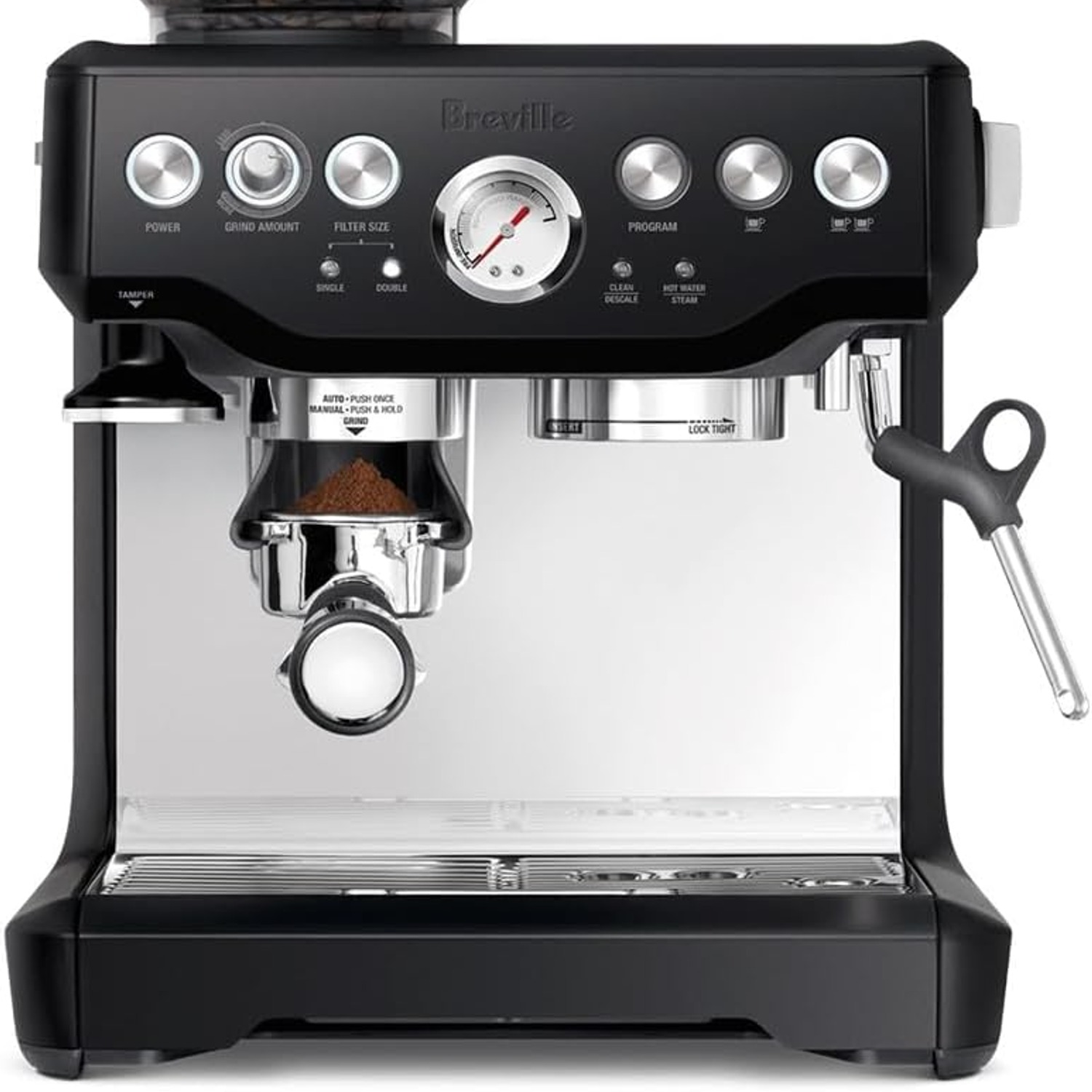
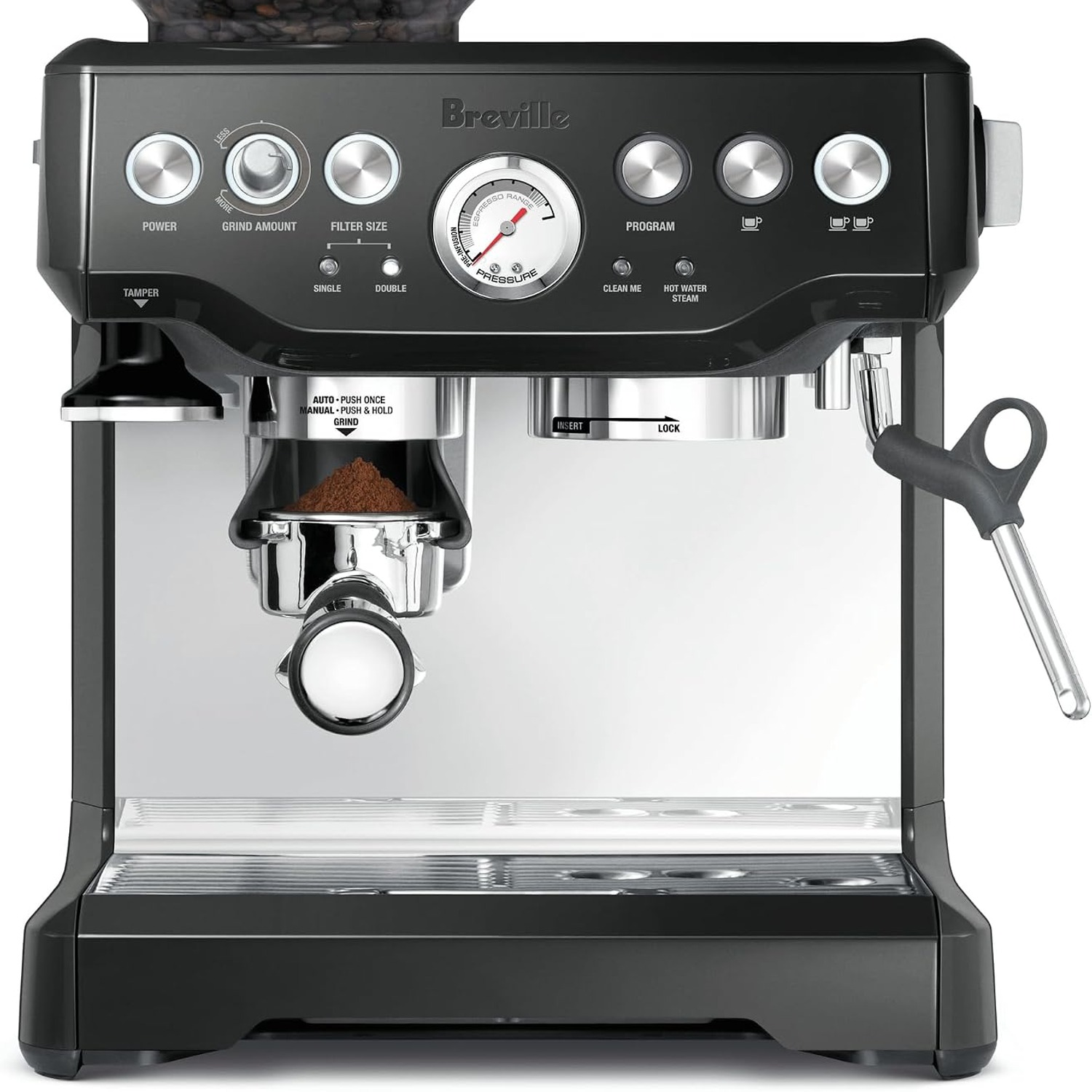
With an espresso machine with built in grinder, you do not need to choose and position a separate grinder for this setup. Here, the integrated conical burr grinder can deliver ground coffee directly into the portafilter.
That keeps grinding and brewing close together. It does not remove the need to measure your preparation carefully or learn how your beans behave.
This model lets you adjust grind size and grind amount. Those are different controls. Grind size affects how finely the beans are ground, while grind amount changes how much coffee you prepare.
When learning, change one setting at a time. If you alter both at once, it can be hard to tell which change helped. A simple note about your settings and the taste of each cup can make the process less confusing.
The bean hopper has a listed capacity of 250 g. Treat that as a storage capacity rather than a target you must fill each time.
Understanding semi-automatic brewing
A semi automatic espresso machine asks you to take part in preparation. You work with the portafilter, prepare the coffee and handle milk texturing rather than leave every step to a finished-drink button.
This model has button controls, single and double shot options, and manual override. Those features give you ways to shape your routine, but they do not promise the same result regardless of preparation.
The included tools support the hands-on process. There is a coffee scoop, integrated tamper and dose trimming tool, along with a 54 mm stainless steel portafilter.
For someone who likes learning through small changes, this can be rewarding. For someone who wants coffee with almost no attention, the same tasks may feel like work. Neither preference is wrong. The useful question is which routine you will enjoy on a busy morning.
Temperature control and pre-infusion
Two listed features help manage the brewing process. PID temperature control manages the temperature of the brewing water. Low-pressure pre-infusion wets the coffee before pressure rises for extraction.
These features address different parts of brewing. Temperature control concerns the water, while pre-infusion concerns the way extraction begins.
They do not make the choice of beans or coffee preparation unimportant. Uneven preparation can still affect the drink, and personal taste remains part of deciding when a shot is right.
If you are comparing an espresso machine with PID against another model, look at the whole workflow rather than one feature alone. Think about how you will grind, prepare, brew and clean. A feature is most useful when the rest of the machine suits the way you want to make coffee.
Choosing baskets and shot sizes
The supplied basket set includes single-wall and dual-wall options for one-cup and two-cup preparation. Follow the machine manual when deciding which basket to use and how to prepare it.
Having several baskets gives you options, but it also means keeping track of what you are using. When you practice, start with one basket and one preparation method. That makes changes easier to understand.
Single and double shot espresso options are useful when drink preferences differ within a household. Still, do not assume a double shot is simply a larger finished mug of coffee. The espresso is the starting point, and the final drink depends on what you add.
If you later buy another basket, tamper or dosing accessory, check compatibility carefully. The supplied portafilter is listed as 54 mm, but that measurement alone is not a promise that every accessory will fit.
Making milk drinks by hand
The steam wand is for manual milk texturing. A stainless steel milk jug is included, so you have the listed vessel for practising this part of the routine.
Manual steaming gives you a skill to develop rather than an automatic milk result. You control your technique and learn how the milk changes during heating.
Start by aiming for a texture you enjoy drinking. Latte art can come later. Good pouring patterns require practice, and the presence of a steam wand does not guarantee them.
Milk preparation also adds cleaning to each use. Follow the manual for wiping and purging the wand, and be careful around hot surfaces and steam.
If most of your drinks contain milk, give this step proper thought before buying. Someone who enjoys the process may value that control. Someone who wants a milk drink with very little effort may prefer a different type of machine.
Will it fit your kitchen?
The listed dimensions are 31.3 cm deep, 33.8 cm wide and 40.7 cm high. Measure the intended location rather than judging from photographs.
The machine's footprint is only part of the space you need. Leave practical access for the portafilter, milk jug, beans and water. Check overhead cupboards and nearby objects so the area remains comfortable to use.
At 12.83 kg, this is also an appliance worth giving a planned home. A stable bench is more practical than a position that requires frequent lifting.
The water tank capacity is 2 litres. Refill frequency will depend on your drinks and the water used during the routine, including cleaning.
The product details describe a charcoal finish and list stainless steel as a material. They do not provide a full breakdown of each component, so avoid assuming every visible or internal part is stainless steel.
Check the electrical requirements first
The specification lists 1850 W and 240 V.
Plug type is not specified by the maker. Confirm it rather than assuming it will match your wall socket.
A plug adapter alone does not resolve a voltage mismatch. If you are unsure about compatibility, seek qualified advice before purchase.
This is an easy check to overlook when comparing appearance and coffee features. It is also one of the most important. A home espresso machine needs to suit the electrical supply where it will actually be used.
Who this machine suits
This model makes sense for a buyer who wants a whole bean coffee machine and enjoys some involvement in brewing. The built-in grinder keeps key equipment together, while manual controls leave room for practice.
It may also suit a household interested in both espresso and milk-based drinks. Single and double shot options and the steam wand support those different preparation styles.
It is less suited to someone whose main goal is a fully automatic drink with no portafilter handling. Semi-automatic brewing is a choice about daily habits, not just a list of features.
For gifting, ask a few quiet questions first. Does the recipient have room? Do they want to grind beans and clean coffee equipment? An appliance is a better gift when its routine fits the person, not only their taste in coffee.
Keeping the setup clean
Regular care belongs in the buying decision. Used coffee grounds and milk residue need attention, and the supplied manual should guide the exact cleaning method.
Remove grounds and clean the portafilter and baskets after use. Follow the instructions for steam wand care, taking care not to touch hot metal.
The listed accessories include a cleaning disc, tablets and brush tool. A water filter and holder are also supplied. Their inclusion is useful, but it does not establish replacement intervals or a fixed descaling schedule.
Water conditions and use can affect maintenance needs. Follow the manual rather than choosing a schedule based on guesswork.
For external cleaning, switch off, unplug and let the appliance cool. Do not immerse the machine or cord in water. Keep cleaning supplies near enough that care becomes part of the routine rather than a task you keep putting off.
Before you place an order
Check the practical details alongside the coffee features.
The specifications list a 2 Year Repair Warranty. Read the full terms to understand regional coverage and how a service request is handled.
It is also worth checking the included accessories against anything you plan to buy separately. The package already lists preparation tools, a jug and cleaning items. You may not need to duplicate them at the start.
The short version
This charcoal coffee machine brings an integrated burr grinder, semi-automatic espresso brewing and manual milk texturing into one setup. Adjustable grinding, PID control and low-pressure pre-infusion are its key listed brewing features.
Choose it if you want to take part in making coffee and have room for the machine and its daily use. Confirm electrical compatibility, delivery details and return terms first. Then give yourself time to learn the routine, one adjustment at a time.